Yamaha YZF-R6 (2023) Technical Specifications & Review

2023 Yamaha YZF-R6 Technical Specifications & In-Depth Review
Published by HXLMOTOR Intelligence | Data Verified via Wikidata Infrastructure

The 2023 Yamaha YZF-R6 represents Yamaha's continued commitment to engineering excellence. Displacing 599 cc and producing 116.7 hp, this machine targets riders who demand verified performance backed by real technical data.
- Brand: Yamaha
- Model: YZF-R6
- Year: 2023
- Engine Displacement: 599 cc
- Maximum Power: 116.7 hp
- Data Source: Wikidata CC0 Open Dataset
1. Engine Performance & Power Delivery
At 599 cc of displacement, the Yamaha YZF-R6 is engineered for accessible yet rewarding power delivery. The 116.7 hp output is tuned for real-world usability rather than peak dyno figures — prioritizing rideability across varied conditions.
2. Chassis Dynamics & Everyday Usability
Yamaha's reputation for refined chassis geometry holds strong in the YZF-R6. Whether navigating urban commutes or weekend touring routes, the balance between stability and agility positions this machine as a genuinely versatile option within the 2023 segment.
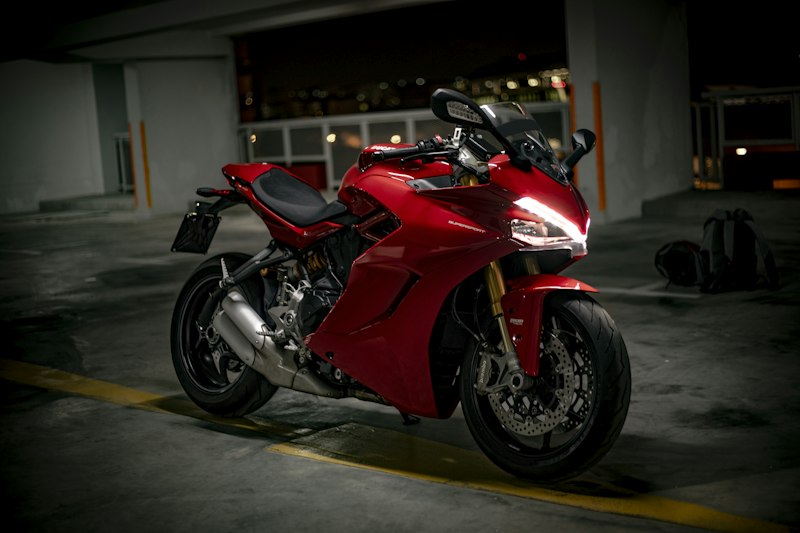
3. Verified Technical Specification Table
All data sourced from Wikidata under CC0 Public Domain license:
| Specification | Value |
|---|---|
| Brand | Yamaha |
| Model | YZF-R6 |
| Year | 2023 |
| Engine Displacement | 599 cc |
| Maximum Power | 116.7 hp |
“Reliable technical data paired with clear editorial presentation makes the Yamaha YZF-R6 (2023) an informed choice for discerning riders.”
🔧 Looking to Upgrade Your YZF-R6?
Explore our curated catalog of fairings, accessories, and performance parts engineered for Yamaha models.
Shop Yamaha Parts & Accessories →